Rio de Janeiro Travel Guide: New Year’s Eve, Favelas, and Finding Your Rhythm
Your complete guide to A Cidade Maravilhosa: from safety tips to samba, sungas to serendipity

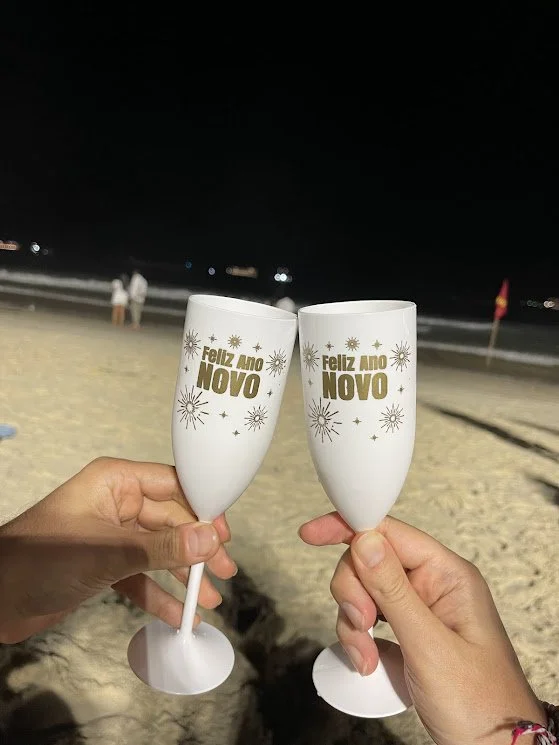
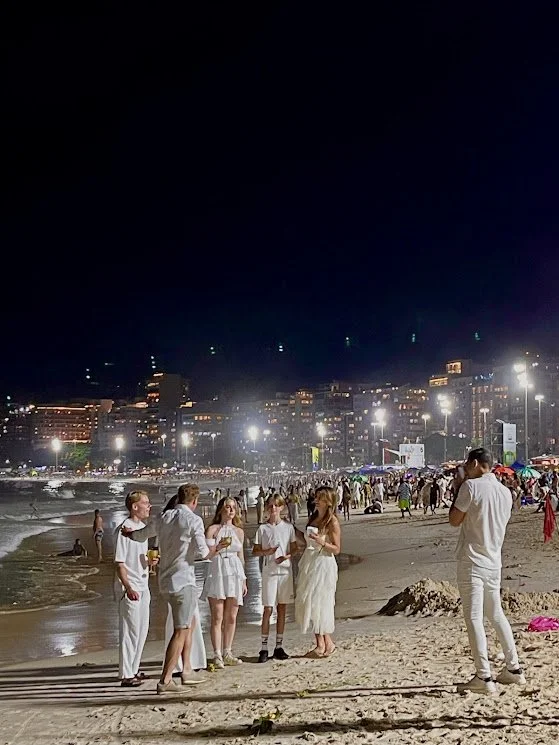
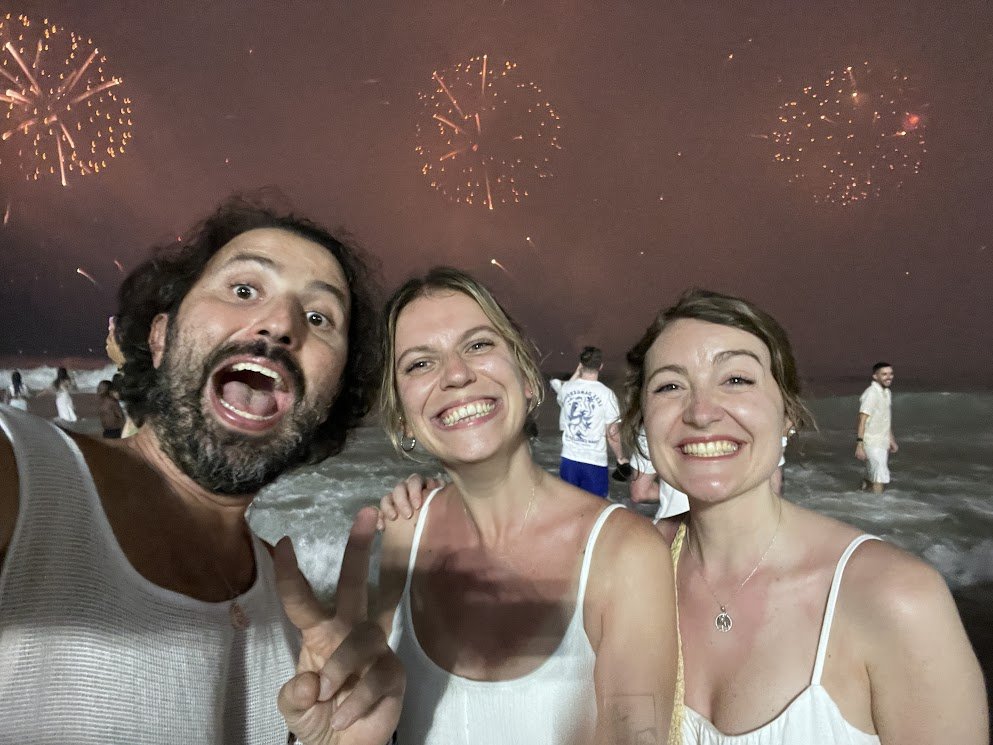
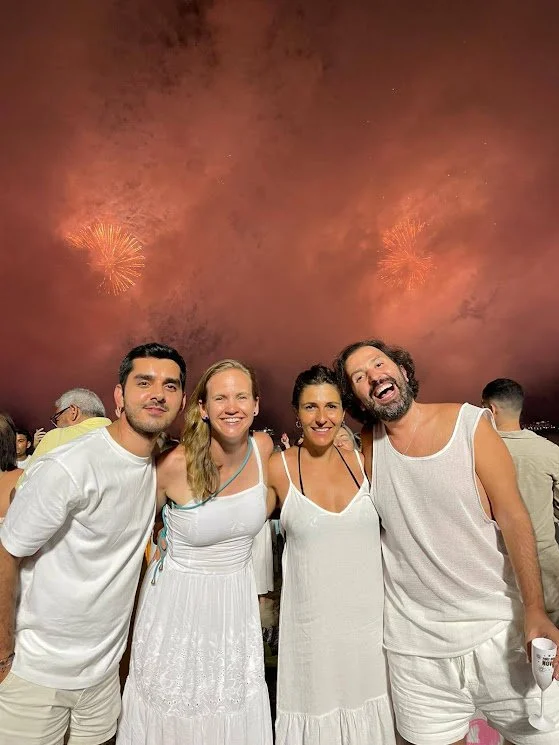
Two million people dressed in white, fireworks exploding over Copacabana Beach, and the tradition of jumping seven waves at midnight while making wishes. Standing there in my carefully chosen Osklen outfit, watching strangers become friends through nothing more than shared countdown excitement, I understood why Rio de Janeiro calls itself A Cidade Maravilhosa - The Marvelous City.
But Rio’s magic isn’t just in its grand celebrations. After a week exploring everything from vibrant favelas to iconic landmarks, getting drunk in Santa Teresa, I learned that Rio rewards those who embrace its rhythm rather than fight it.
Here’s your complete guide to Rio de Janeiro, including the practical essentials and honest mishaps that other guides won’t tell you.




Planning Your Rio de Janeiro Trip: Essential Information
Best Time to Visit: December through March for summer and New Year’s Eve, April through June for milder weather and fewer crowds
How Many Days: 5-7 days minimum to experience beaches, landmarks, culture, and nightlife without rushing
Where to Stay: Copacabana for convenience, Ipanema for local vibe, Leblon for upscale tranquility
Budget: Expect €60-100 per person per day including accommodation, meals, activities, and transportation
Safety Reality: Rio requires awareness but isn’t as dangerous as reputation suggests with proper precautions
Transportation: Uber is reliable and affordable, avoid walking long distances at night

Getting to Know Rio’s Beach Culture: Beyond Copacabana
The Beach Trinity: Copacabana, Ipanema, and Leblon
Each beach has its distinct personality, and finding your spot is essential:
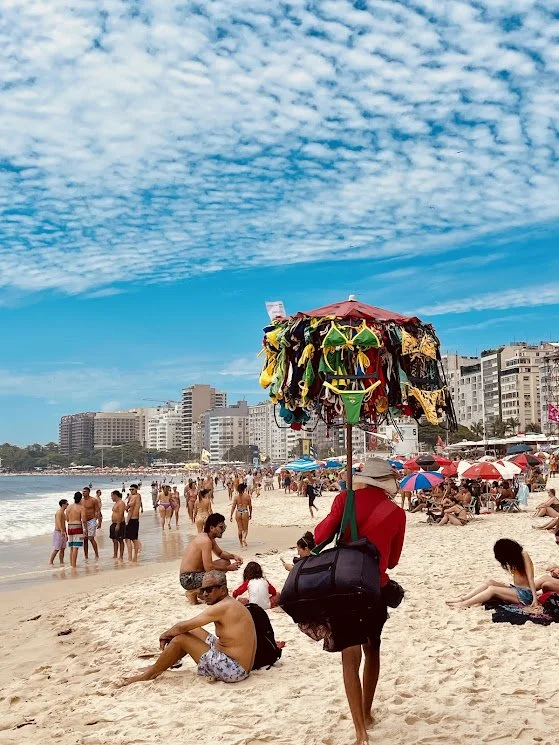
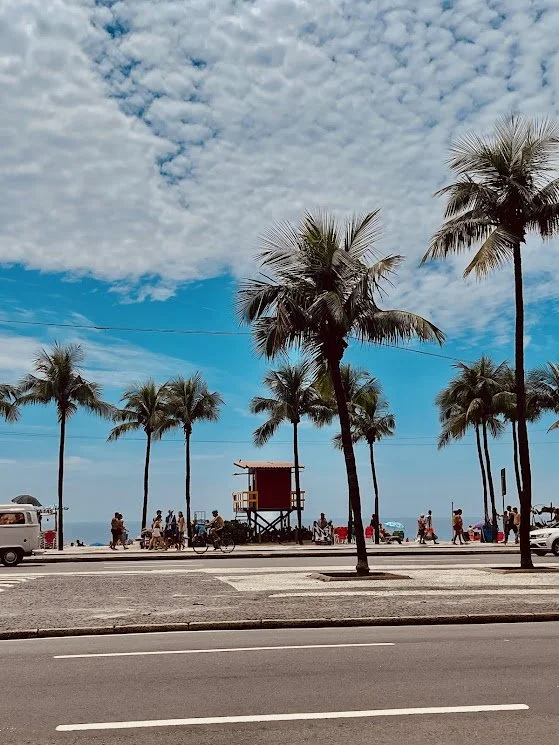
Copacabana: Rio’s most famous 4-kilometer crescent, featuring Roberto Burle Marx’s iconic black-and-white wave-patterned promenade. Always buzzing with volleyball matches and street vendors, but can feel touristy and crowded.
Ipanema: Made famous by “The Girl from Ipanema,” this beach exudes bohemian energy. Posto 9 is the heart of the LGBTQ+ scene, where rainbow flags fly proudly and the atmosphere is unmatched for people-watching.
Leblon: Quieter and more upscale, perfect for relaxation. As one of Rio’s wealthiest neighborhoods, the beach reflects that elegance with less tourist hustle.
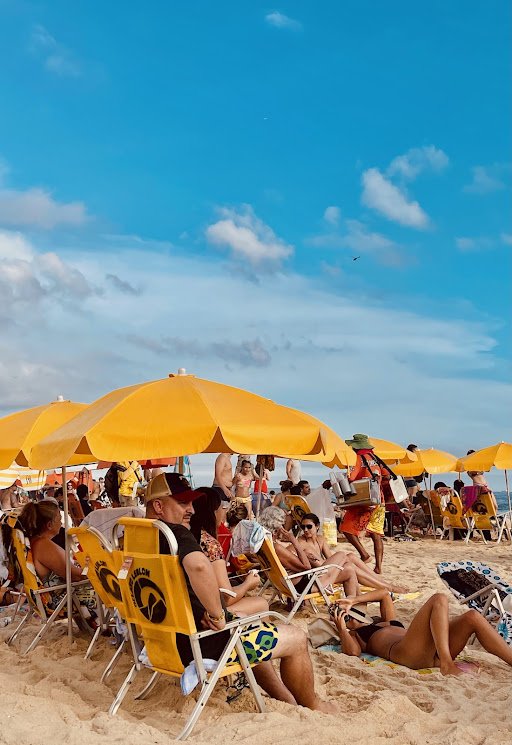
Beach Setup Costs: Chair and umbrella rental runs 60-70 reais (€12-15), plus drinks. It’s surprisingly affordable luxury.


Embracing the Sunga Life: Body Positivity, Brazilian Style
Let’s talk about the sunga - Brazil’s answer to men’s swimwear. At 41, I stepped into my first sunga, muffin top and all, and discovered something beautiful about Rio’s beach culture.
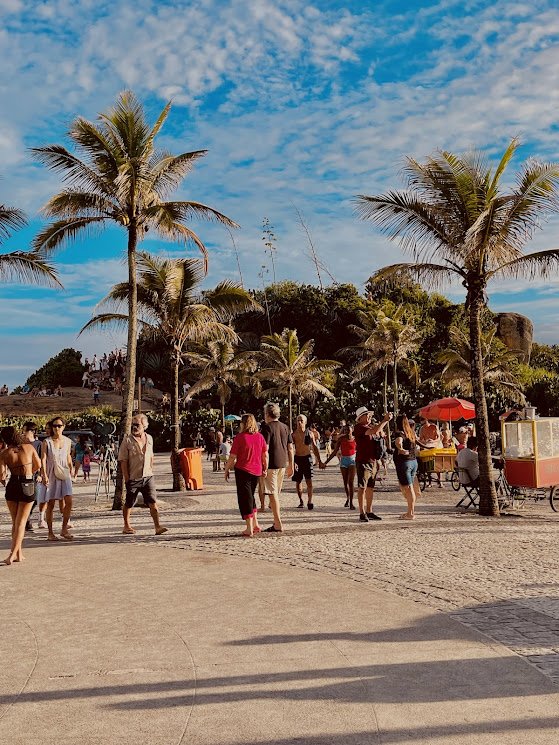
On Rio’s beaches, bodies come in all shapes and sizes, and the energy isn’t about perfection - it’s about confidence. Brazilians view the beach as a democratic space where everyone belongs, regardless of size, shape, or background.
Body Positivity Lesson: Wear the sunga, take the photo, embrace where you are today. Rio’s beach culture celebrates authenticity over perfection.

Beach Vendor Mastery: What to Buy and What to Skip
Initially hesitant about beach vendors, by trip’s end I was playing “vendor bingo.” Here’s your essential guide:
Must-Tries:
Coconut Water: Fresh, served straight from the coconut (8-10 reais/€2)
Caipirinhas: Brazilian classic mixed fresh, but choose established vendors
Cheese Skewers (Queijo Coalho): Grilled golden right before you, add oregano
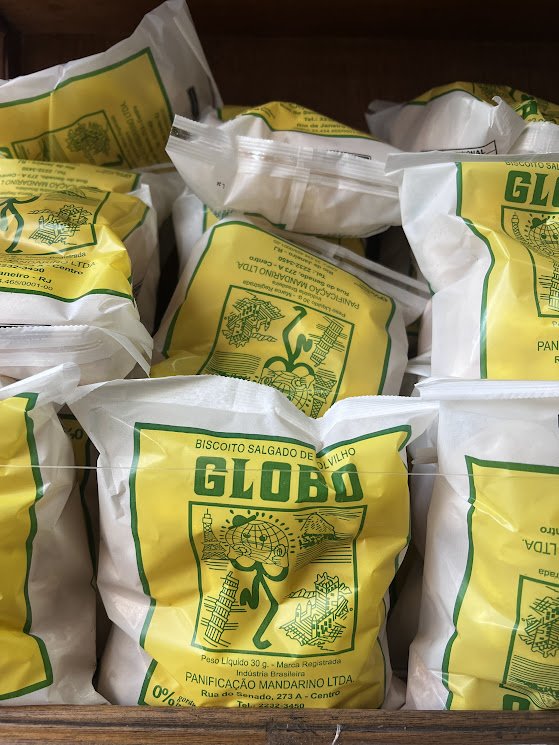
Globo Biscuits with Mate: Iconic puffed biscuits with iced mate tea (gluten-free bonus!)
Skip These:
Shrimp Skewers: Seafood in heat isn’t worth the risk
Pre-mixed Mystery Cocktails: Stick to fresh preparations
Vendor Interaction Tip: They’re incredibly friendly and often multilingual. Don’t hesitate to ask questions or confirm prices.

Rio de Janeiro’s Iconic Landmarks: Must-Visit Attractions
Christ the Redeemer: One of the New Seven Wonders
Standing beneath this 30-meter statue atop Mount Corcovado is genuinely awe-inspiring, but the experience requires strategy.
Essential Tips:
Go Early: Beat crowds and traffic with morning visits
Bring Sunscreen: Long queues with little shade
Minimize Filming: Sometimes the best memories don’t need cameras
Reflection Moment: After hours of queuing, Arda’s reminder to “stop filming and just look” hit hard. The statue’s scale isn’t just impressive - it’s humbling.

Sugar Loaf Mountain: Panoramic City Views
Two cable car rides deliver jaw-dropping views of the city, Guanabara Bay, and beyond.
Fun Fact: The name comes from its resemblance to cone-shaped sugar blocks from Brazil’s colonial trade era.
Photography Tip: Late afternoon light creates the most dramatic photos, but morning visits avoid crowds.

Santa Marta Favela: Breaking Stereotypes
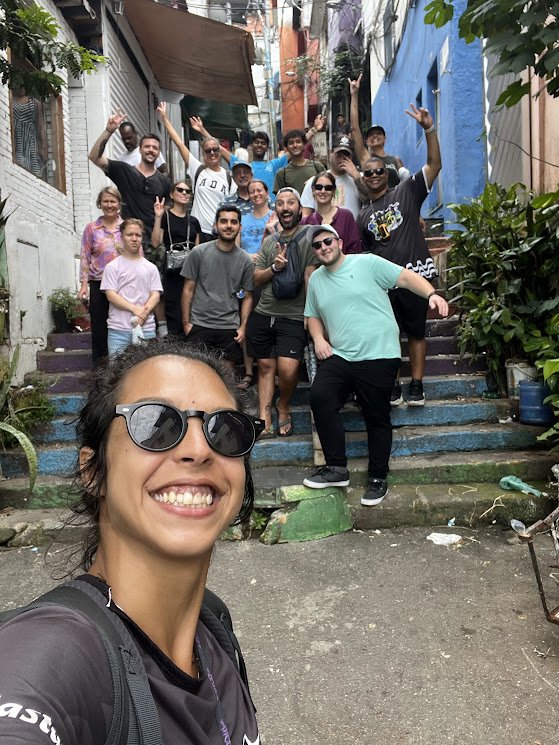
Visiting favelas provides essential Rio perspective, but requires respectful, guided tours.
What You’ll Experience:
Michael Jackson’s “They Don’t Care About Us” mural and dedicated square
Two cable cars reaching stunning panoramic viewpoints
Stories from local guides like Thiago that break stereotypes
Understanding that 25% of Rio’s population lives in favelas
Important Reality: Favelas aren’t slums. Santa Marta houses many middle-class families with modern amenities.
Safety Note: Always book reputable tours (we used GetYourGuide). Never explore independently.


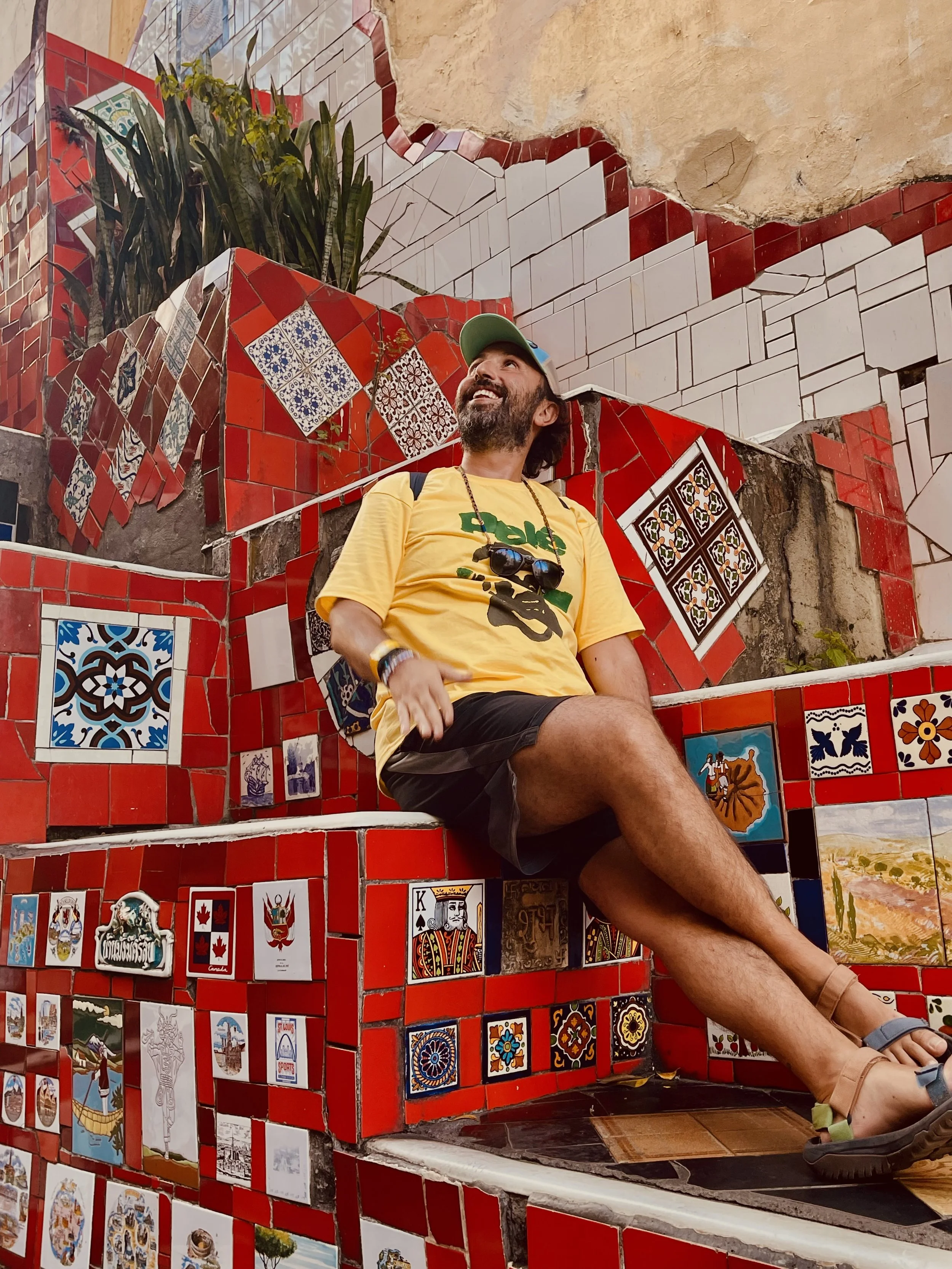
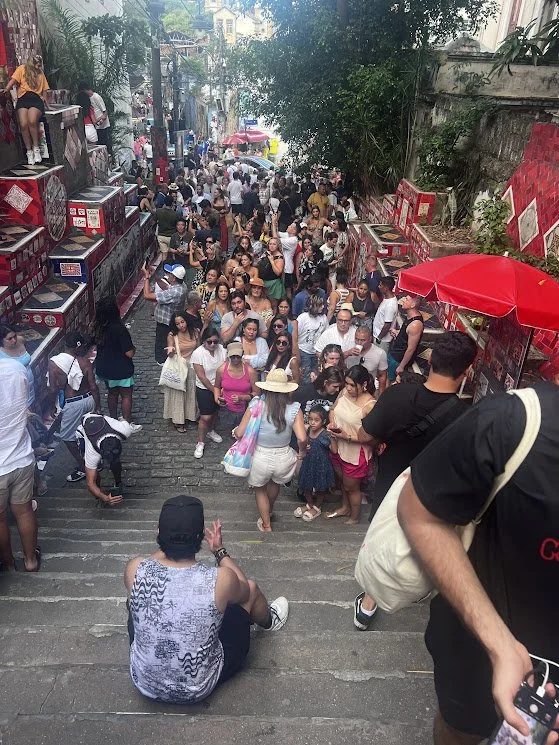
Selarón Steps: Colorful Artistic Tribute
Over 2,000 tiles from 60 countries create this masterpiece by Chilean artist Jorge Selarón, who worked on it until his death in 2013 as a tribute to his adopted Brazil.
Visit Strategy: Early morning avoids crowds and allows appreciation of intricate details.
New Year’s Eve in Rio: Ultimate Celebration Experience
If one night captures Rio’s spirit, it’s Réveillon on Copacabana Beach.
The Magic of Two Million People
Imagine the entire city dressed in white, gathering on the beach for fireworks, samba music, and shared celebration energy.
Essential Traditions:
White Clothing: Symbolizes peace and renewal (my Osklen outfit was perfect)
Jumping Seven Waves: Wade into ocean after midnight, making wishes with each wave
Flowers for Iemanjá: White flowers thrown into ocean as offerings to sea goddess
Practical Preparation:
Arrive Early: We secured two chairs for 100 reais (€20) - bargain considering crowds
Stay Hydrated: Long night requires preparation
Embrace the Energy: 12-minute fireworks display, but celebration lasts all night
Emotional Impact: The countdown energy of strangers becoming friends through shared joy is unforgettable Rio magic.




Where to Eat in Rio de Janeiro: Restaurant Recommendations
Accommodating Dietary Restrictions
With Arda’s gluten-free, garlic-free needs, we learned important dining strategies:
What Works:
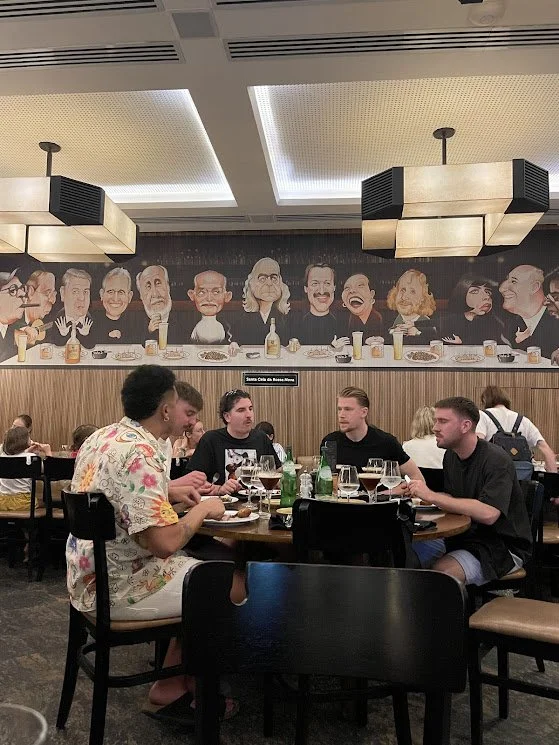
High-end restaurants: More accommodating than casual spots
Churrascarias: Many cuts are unseasoned, surprisingly safe for restrictions
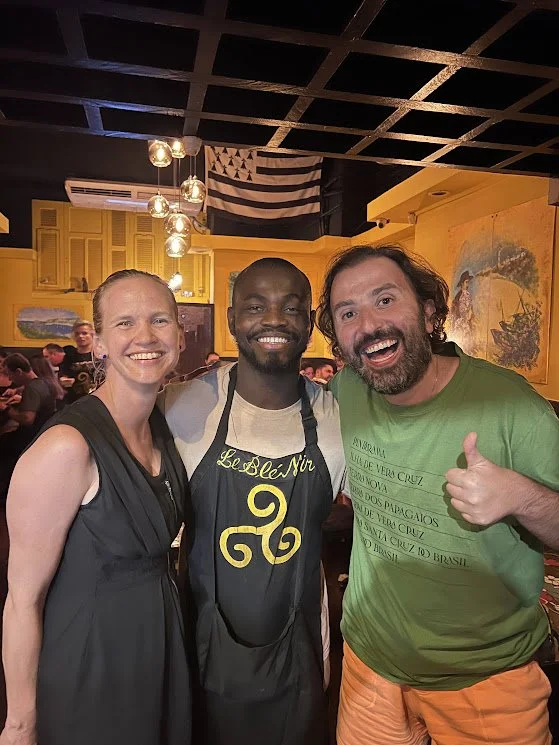
Le Blé Noir: Our Breton-style crêperie repeat favorite (visited four times!)
Essential Strategy: Download Portuguese translation cards explaining allergies, or have restrictions written down clearly.
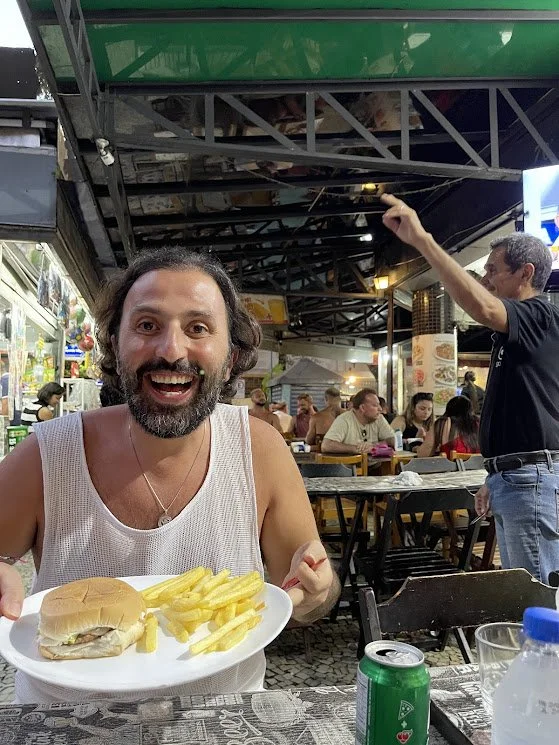
Beach Dining and Vendors
The Coffee: Excellent iced coffee for beach breaks
Fresh Coconuts: Nature’s perfect electrolyte drink
Grilled Cheese Skewers: Beach vendor staple, prepared fresh



Rio Safety Guide: Street Smart Strategies
Transportation Safety
Uber Excellence: Reliable, affordable, safer than taxis
Always confirm driver matches app profile
Use Uber Black for night trips or less touristy areas
Avoid walking long distances after dark
Personal Security Essentials
What Worked for Us:
Keep It Simple: No flashy valuables or expensive jewelry
Stay Alert: Stick to well-lit, busy areas
Confident Walking: “Walk like you’re late for something” - local advice
Minimal Cash: Small pouch with essentials only
Language Barrier Solutions:
Download Google Translate Portuguese offline
Learn key phrases: “Obrigado/a,” “Água sem gás,” “A conta por favor”
“Tudo bem?” to servers goes surprisingly far

Rio Transportation and Practical Tips
Getting Around Rio
Airport to City: Use reputable ATMs in the city, not airport machines (high fees, limited functionality)
Payment Methods:
Credit cards widely accepted with tap-to-pay
Always verify restaurant bills (10% service fee usually included)
Beach vendors prefer cash
Currency and Banking
Essential Preparation:
Bring some Brazilian reais or withdraw from city ATMs
Avoid airport ATMs (limited working machines, excessive fees)
Pix payments require Brazilian bank accounts

Weather and Packing for Rio
Tropical Weather Reality
Rio’s weather is beautifully unpredictable. Prepare for sunshine and sudden downpours.
Essential Packing:
Lightweight rain jacket: Compact for bag storage
Waterproof sandals: Beach days that turn rainy
Quality sunscreen: UV index doesn’t joke around
Flip-flops: You’ll live in them
Daily Strategy: Check morning weather, plan accordingly with indoor backup options.

Rio Shopping: Brazilian Fashion and Souvenirs
Fashion Finds
Osklen: Chic Brazilian fashion with sustainability focus, perfect for beach and beyond Havaianas Concept Store: Customize flip-flops with pins (mine feature caipirinha and coconut)
Practical Shopping Tips
What You’ll Actually Wear: Light clothing and flip-flops dominate your wardrobe Avoid Overpacking: Rio’s heat makes heavy clothing unnecessary

Frequently Asked Questions About Rio de Janeiro
Is Rio de Janeiro safe for tourists? With proper precautions, yes. We never encountered issues using common sense: Uber transportation, staying aware, avoiding flashy valuables, and sticking to well-lit areas.
How much does a Rio de Janeiro trip cost? Expect €60-100 per person daily for mid-range accommodation, dining, activities, and transportation. Beach activities and local food are surprisingly affordable.
Do you need to speak Portuguese in Rio? English isn’t widely spoken, but gestures, Google Translate, and basic phrases work well. Locals appreciate efforts and are generally patient with tourists.
What’s the best area to stay in Rio? Copacabana for convenience and tourist infrastructure, Ipanema for local atmosphere and beach culture, Leblon for upscale tranquility and safety.
When should you visit Rio de Janeiro? December-March for summer and New Year’s Eve (expect crowds), April-June for pleasant weather and fewer tourists.

Rio’s Rhythm: Embracing A Cidade Maravilhosa
The Art of Slowing Down
Rio isn’t a city to conquer - it’s a city to experience. My biggest lesson: quality over quantity. Some of my best moments came from repeat visits to Le Blé Noir, long beach walks, and simply sipping iced coffee while people-watching.
What I’d Do Differently:
Split major attractions over multiple days instead of cramming
Plan downtime - Rio’s intensity requires breaks
Treat every plan as suggestion, not fixed itinerary
The Magic Lives in Contrasts
You’ll see people in sungas on skateboards, spontaneous sunset dancing, and dogs wearing sunglasses. Rio rewards openness and curiosity over trying to make everything “make sense.”
Lessons from Tours: Choose Wisely
Our ambitious six-stop day tour left us exhausted and underwhelmed. Better strategy: prioritize 2-3 attractions daily, choose smaller focused tours, and leave space for spontaneous discoveries.














Final Reflections: Why Rio Deserves Its Nickname
Rio de Janeiro truly embodies A Cidade Maravilhosa. Whether you’re exploring vibrant favelas, marveling at city views from Sugar Loaf, jumping waves at midnight, or simply embracing the sunga life on Ipanema Beach, there’s magic here that’s impossible to resist.
The city challenges you with its intensity, rewards you with its beauty, and teaches you that the best travel happens when you stop trying to control every moment and start dancing to the rhythm it provides.
Planning your Brazilian adventure? Rio deserves a central spot in any itinerary. It’s where you’ll learn that sometimes the most meaningful travel lessons come from hangovers and missed plans just as much as perfect sunset photos.
Come with sunscreen, common sense, and curiosity. Leave your perfectionism at home. A Cidade Maravilhosa will take care of the rest.
Save this guide and prepare for your own Rio rhythm. The city doesn’t just want tourists. It wants participants in its beautiful, chaotic, unforgettable dance.